

Understanding the psychology behind gambling behavior in casinos
The Allure of Gambling: Why People Are Drawn to Casinos
Gambling has a magnetic appeal that draws millions to casinos worldwide. The thrill of potentially winning large sums of money combined with the excitement of chance creates an environment that many find irresistible. This allure can be attributed to various psychological factors, including the anticipation of reward, which stimulates the brain’s pleasure centers. Our team at solana casino no kyc has meticulously reviewed the best gambling platforms, highlighting their unique features and offerings. Studies have shown that the unpredictability of gambling outcomes activates the same brain regions associated with addiction, further explaining why people return to casinos repeatedly.
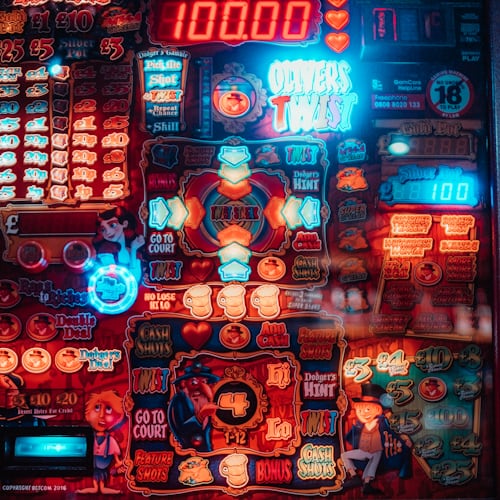
Additionally, the atmosphere of casinos is meticulously designed to enhance this allure. Bright lights, engaging sounds, and enticing décor work together to create an immersive experience that keeps players engaged. The sensory stimulation can lead to a heightened state of arousal, making it more likely for individuals to take risks. This designed experience feeds into the psychological concept of operant conditioning, where positive reinforcement, such as wins or bonuses, encourages repeat behavior.
The social environment within casinos also plays a crucial role. Many people associate gambling with socialization, viewing it as a communal activity. Engaging with friends or even strangers at gaming tables fosters a sense of belonging that can be intoxicating. The interaction can distract players from the potential negative consequences of their gambling behavior, further deepening the psychological connection they develop with the act of gambling itself.
The Role of Cognitive Biases in Gambling Decisions
Cognitive biases heavily influence how gamblers make decisions. One common bias is the illusion of control, where players believe they can influence game outcomes despite the inherent randomness. This misconception leads individuals to take greater risks, convinced that their choices will lead to favorable results. For instance, a player might think that selecting specific numbers or strategies can improve their odds in games like poker or roulette, despite statistical evidence to the contrary.
The gambler’s fallacy is another significant cognitive bias that affects gambling behavior. This fallacy occurs when individuals believe that past events will influence future outcomes, leading them to make irrational choices. For example, a player might think that a particular slot machine is “due” for a win after a long losing streak. Such beliefs can create a cycle of increased gambling, as individuals chase perceived losses, further entrenching them in a potentially harmful behavior pattern.
Understanding these cognitive biases is essential for promoting responsible gambling practices. Players must be educated about the randomness of gambling games and the common pitfalls of cognitive biases. By raising awareness, casinos can help players develop healthier gambling habits, reducing the likelihood of compulsive behavior and enhancing the overall gaming experience.
The Impact of Emotions on Gambling Behavior
Emotions play a critical role in the gambling experience. Winning elicits feelings of excitement and euphoria, while losing can lead to frustration and despair. These emotional swings can significantly influence a player’s decision-making process. For instance, a player who wins may feel emboldened and more willing to place higher bets, while a loss may trigger an emotional response that compels them to gamble again in an attempt to recover their losses.
Moreover, the concept of “chasing losses” is a well-documented emotional response among gamblers. After experiencing a loss, individuals may irrationally believe that they can recoup their funds through further gambling. This behavior can lead to escalating bets and deeper financial troubles. The emotional rollercoaster of winning and losing becomes a central aspect of the gambling experience, reinforcing the cycle of gambling behavior and making it difficult for individuals to step away.
Casino environments often capitalize on this emotional engagement. Promotions and bonuses are strategically designed to evoke excitement and create a sense of urgency. Players are encouraged to take advantage of limited-time offers, further heightening their emotional state. This manipulation of emotions serves to keep players engaged, but it also underscores the importance of recognizing one’s emotional triggers in the gambling setting to foster responsible gambling practices.
The Influence of Environment and Social Settings on Gambling Behavior
The physical environment of a casino significantly impacts gambling behavior. Casinos are designed to disorient and engage patrons, featuring no clocks or windows to obscure the passage of time. This manipulation encourages players to lose track of time, often resulting in extended gambling sessions. Such an environment creates a sense of escapism, allowing individuals to immerse themselves fully in the gambling experience without outside distractions.
Social settings also play a pivotal role in shaping gambling behavior. The presence of other players can create a competitive atmosphere that encourages risk-taking. Engaging with fellow gamblers can lead to shared experiences, such as celebrations during wins or shared frustrations during losses. This communal aspect can amplify emotions, making it more likely for individuals to gamble more than they might alone. The group dynamics can foster a sense of loyalty to certain games or betting strategies, further entrenching individuals in their gambling habits.
Additionally, social influences extend beyond the casino. Friends and family can impact an individual’s perception of gambling. Positive reinforcement from peers may encourage more frequent gambling, while negative experiences shared by friends can deter individuals from engaging. Understanding these social dynamics is vital for promoting responsible gambling practices and fostering an environment where individuals can make informed decisions about their gambling habits.

Discovering Responsible Gambling Practices with Top Solana Casinos
Top Solana Casinos serves as a valuable resource for understanding responsible gambling practices in the evolving landscape of online gambling. As more players engage with casinos that accept cryptocurrency, it’s essential to prioritize safe and responsible betting habits. The transparency provided by blockchain technology enhances the level of trust, enabling players to make informed decisions while exploring various gaming options.
At Top Solana Casinos, expert reviews ensure that only reputable platforms are highlighted, helping players navigate their choices confidently. By focusing on aspects such as licensing, customer support, and game variety, the site promotes an informed gaming experience. Users can enjoy a diverse range of games while being encouraged to practice responsible gambling, contributing to a healthier gaming environment overall.
In conclusion, understanding the psychology behind gambling behavior is crucial for fostering responsible practices within the casino environment. By exploring cognitive biases, emotional influences, and social dynamics, players can become more aware of their gambling habits. Resources like Top Solana Casinos emphasize the importance of informed choices and responsible gaming, creating a safer experience for all involved in the world of gambling.